


What are the different types of garden fences?

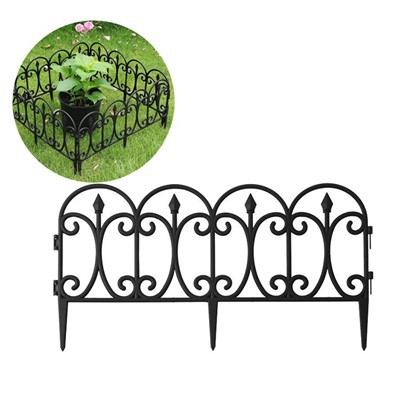
Classic Western-style. Typically 30–120 cm in height. Primarily decorative rather than protective.




Overview of Common Fence Materials
- Wood_: The most traditional and versatile fencing material. Can be painted or stained to match different garden styles. Popular styles include picket, privacy, and trellis fences.
- Metal_ : Available in steel, aluminum, and wrought iron. Offers excellent strength and long service life. Often used for ornamental or security fencing.
- Vinyl (PVC)_: Resistant to moisture, insects, and UV exposure. Requires very little maintenance. Common in white picket and privacy fence designs.
- Composite_: Combines recycled wood fibers and plastic. Mimics the appearance of timber while resisting rot and fading. A premium choice for contemporary gardens.
- Bamboo_: Creates a warm, natural aesthetic. Frequently used as privacy screening or decorative fencing. Lightweight and environmentally friendly.
- Willow & Hazel_: Handwoven natural fencing with a traditional rustic look. Particularly popular in UK cottage gardens. Often used for decorative borders and screening.
- Wire Mesh_: Practical solution for protecting plants and containing pets. Can also support climbing plants. Available in welded mesh or chain-link styles.
- WPC_: An upgraded engineered composite material designed for outdoor use. More dimensionally stable and weather-resistant than traditional timber. Increasingly popular in modern landscaping projects.


How to maintain a garden fence?
Keeping your garden fence in good condition not only improves its appearance but also extends its lifespan. Follow these simple maintenance tips to protect your fence throughout the year.
1. Clean Your Fence Regularly: Remove dirt, leaves, moss, and algae using a soft brush or a garden hose. For stubborn stains, use mild soapy water and rinse thoroughly.
2. Inspect for Damage: Check your fence regularly for loose panels, cracked boards, rust, or damaged fasteners. Repair small problems early to prevent costly replacements.
3. Protect Wooden Fences: Apply a wood preservative, stain, or weatherproof sealant every 1–3 years to protect against moisture, UV rays, and rot.
4. Prevent Rust on Metal Fences: Remove any rust spots with a wire brush and apply rust-resistant primer and paint to keep metal fences looking their best.
5. Wash Vinyl and Composite Fences: Clean with warm water and a mild detergent. Avoid abrasive cleaners that may scratch the surface.
6. Trim Nearby Plants: Keep shrubs, vines, and tree branches from growing against the fence to reduce moisture buildup and prevent damage.
7. Check Fence Posts: Ensure all fence posts remain stable and upright. Reinforce or replace loose posts before they affect the entire fence structure.
8. Perform Seasonal Maintenance: Inspect your fence after heavy rain, snow, or strong winds, and clear away any debris that may cause long-term damage.
Building a simple garden fence is a great DIY project that can define your outdoor space, protect plants, and enhance your garden's appearance. With the right tools and materials, most garden fences can be installed in a weekend.
Tips for a Stronger Fence
Measure twice before cutting materials.
Use galvanized or stainless steel fasteners to prevent rust.
Leave a small gap between the fence and the ground to reduce moisture damage.
Check local regulations or property boundaries before installation.
Allow concrete to cure fully before applying pressure to the fence.

01
Plan Your Fence
Measure the area where you want to install the fence and mark the fence line with string. Decide the height and style based on your needs, such as privacy, decoration, or plant protection.
02
Gather Materials and Tools
Materials
Fence panels or pickets; Fence posts; Post concrete or gravel; Screws or nails; Post caps (optional)
Tools
Tape measure; Spirit level; Post hole digger or shovel; Drill or hammer; Saw; Safety gloves and goggles
03
Install the Fence Posts
Dig post holes approximately 60–75 cm (24–30 in) deep, depending on fence height and local ground conditions. Space the posts evenly according to the width of your fence panels. Set each post vertically using a spirit level and secure it with concrete or compacted gravel.
04
Attach the Fence Panels or Rails
Once the posts are firmly set, attach the fence panels or horizontal rails using galvanized screws or nails. Check that each section is level before tightening all fasteners.

What is the cheapest way to fence your garden?
If you're looking for an affordable way to fence your garden, there are several budget-friendly options that provide protection and define your outdoor space without a high cost. The best choice depends on whether you need security, privacy, or simply a decorative border.
1. Wire Mesh Fence (Most Affordable)
Wire mesh fencing is one of the lowest-cost options available. It is easy to install, durable, and ideal for keeping pets out or protecting vegetable gardens.
Best for: Vegetable gardens, pet enclosures, and plant protection.
2. Chain Link Fence
Chain link fencing offers excellent value for larger areas. It is strong, weather-resistant, and requires very little maintenance.
Best for: Large gardens and long-term boundary fencing.
3. Garden Border Fence
Low decorative border fences are inexpensive and perfect for defining flower beds, pathways, or small garden sections.
Best for: Decorative landscaping and flower beds.
4. Willow or Hazel Hurdle Fence
Natural woven fencing made from willow or hazel offers a rustic look at a relatively low price, especially for small garden spaces.
Best for: Cottage-style and country gardens.
We're well-known as one of the leading garden fence manufacturers and suppliers in China. Please rest assured to wholesale customized garden fence made in China here from our factory. Quality products and low price are available.