


Gardening gloves are an essential tool for every gardening enthusiast, providing effective protection for your hands against thorns, cuts, and dirt. Whether pruning shrubs, digging soil, or planting flowers, a good pair of gloves enhances comfort and efficiency. Our gardening gloves are made from high-quality materials, offering the perfect balance of comfort and durability to keep your hands well-protected during all your gardening tasks.


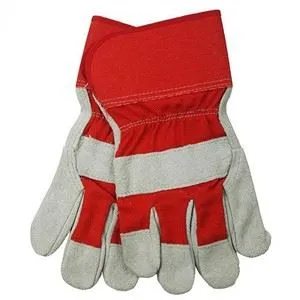

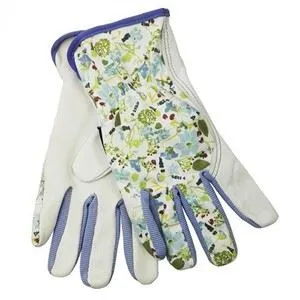


The best gloves for gardening depend on the specific tasks you're doing. Here are a few types that are most commonly recommended:
- Leather Gloves: These are great for handling thorny plants, rose bushes, and general garden tasks. They're durable, provide good protection, and are breathable.
- Nitrile-Coated Gloves: These offer a snug fit and protect against dirt, water, and some chemicals. They are lightweight and flexible, making them ideal for tasks that require dexterity, such as planting or weeding.
- Cotton Gloves: These are suitable for light gardening tasks, like planting and general maintenance. They’re breathable, comfortable, and often come in colorful designs, but they don’t offer much protection from thorns or heavy-duty tasks.
- Rubber Gloves: Perfect for wet conditions and handling muddy tasks, like washing garden tools or dealing with wet soil. They keep hands dry and are waterproof.
- Clawed Gardening Gloves: These gloves have built-in claws on the fingers (typically made of plastic) to assist with digging and planting, offering both protection and functionality.
- Garden Gloves with Extended Cuffs: For those who work with soil or have to deal with muddy areas, gloves with long cuffs provide extra protection, preventing dirt from getting into your sleeves.


What gloves will thorns not go through?
Gloves that provide the best protection against thorns are typically made from thick, durable materials that prevent punctures. Here are the top choices:
- Leather Gloves:
Thick leather gloves are a classic choice for thorny plants like roses, blackberry bushes, and other prickly shrubs. Leather is naturally strong and offers good puncture resistance, making it hard for thorns to penetrate.
Look for gloves made from tough cowhide or deerskin, as these provide extra durability.
- Kevlar Gloves:
Kevlar is a synthetic material known for its high strength and cut resistance. These gloves offer protection against sharp objects like thorns while maintaining flexibility. They are lightweight and can withstand abrasion, making them a great option for thorn-heavy gardening.
- Heavy-Duty Rubber-Coated Gloves:
Rubber-coated gloves (especially with a textured or reinforced palm) can offer some protection against thorns, especially when combined with a thick material underneath. However, they may not be as puncture-resistant as leather or Kevlar.
- Goatskin Gloves:
Goatskin is also a durable material, softer than cowhide but still tough enough to resist punctures from thorns. It’s a popular choice for gardeners looking for both comfort and protection.
- Full-Fingered Gloves with Reinforced Fingertips:
Some gardening gloves have reinforced rubber or leather fingertips, which add extra protection where thorns are most likely to penetrate.
Gardening gloves that don’t make your hands sweat are typically designed with breathable materials and ventilation features to keep air circulating. Here are a few options:
- Cotton Gloves:
Lightweight cotton gloves are breathable and comfortable, perfect for lighter gardening tasks. They allow for air circulation and help keep your hands cool. However, they might not be as durable or protective against thorns or heavy-duty work.
- Nitrile-Coated Gloves:
Nitrile gloves are often made with a thin, flexible material that provides a snug fit while being breathable. They typically feature ventilation holes or are made with mesh fabric on the back of the hand, allowing air to flow and preventing sweat buildup.
- Mesh Gardening Gloves:
Some gloves have a mesh back or ventilated panels, which allow for excellent airflow while still providing protection on the palms and fingers. These gloves are perfect for hot weather or long gardening sessions.
- Leather Gloves with Ventilated Panels:
Some higher-end leather gloves come with ventilated panels (often made from mesh or fabric) on the back of the hand, which help reduce sweating while maintaining the durability and thorn protection of leather.
- Bamboo or Hemp Gloves:
Bamboo and hemp fibers are naturally breathable and moisture-wicking, making them great materials for keeping your hands cool. These gloves are soft, eco-friendly, and offer good air circulation.
- Rubber-Coated Gloves with Ventilation:
Rubber-coated gloves that have ventilation holes or breathable fabric on the back of the hand can prevent your hands from getting too hot and sweaty while working in wet conditions.


What should you never do when you use gloves?
When using gardening gloves, there are a few things you should avoid to ensure they remain effective, safe, and comfortable:
1. Don’t Use Gloves That Are Too Tight or Too Loose
- Tight gloves can restrict movement and cause discomfort, leading to hand fatigue or blisters.
- Loose gloves can make it difficult to grip tools and can get caught on plants or garden structures, which could result in injury or damage to the gloves.
Tip: Make sure gloves fit snugly but comfortably, with enough flexibility to move your fingers freely.
2. Don’t Wear Damaged Gloves
- If your gloves have visible tears, holes, or worn-out areas, they can leave your hands exposed to cuts, punctures, or irritants.
Tip: Inspect your gloves regularly and replace them if they are damaged to ensure full protection.
3. Don’t Wear the Same Gloves for Different Tasks
- Using gloves for both gardening and handling chemicals or pesticides can transfer harmful substances from the gloves to your hands or other areas of your body.
Tip: If you’re using chemicals, have a set of gloves specifically for that purpose. Always wash your gloves thoroughly after use.
4. Don’t Forget to Take Breaks
- Wearing gloves for extended periods, especially tight or poorly ventilated ones, can cause your hands to sweat or get too hot, leading to discomfort and irritation.
Tip: Take breaks to let your hands cool down and breathe, especially during long gardening sessions.
5. Don’t Use Gloves Without Proper Cleaning and Care
- Gloves that aren’t cleaned properly after use can harbor dirt, bacteria, and mold, which can cause skin irritation or even damage the gloves.
Tip: Clean your gloves according to the manufacturer’s instructions and let them dry thoroughly before storing them. Leather gloves should be conditioned periodically to maintain their flexibility.
6. Don’t Use Gloves with Contaminants
- If you’re working in areas with sharp objects, chemicals, or plants that can cause irritation (e.g., poison ivy), using gloves that aren't designed for those specific tasks could result in exposure or injury.
Tip: Ensure your gloves are suitable for the specific tasks you're doing, and choose gloves with appropriate protective features for the job.
7. Don’t Forget to Protect Your Hands When Working with Thorns or Sharp Tools
- Even with gloves, certain materials like thorns or sharp tools can still penetrate if the gloves are too thin or inadequate.
Tip: Opt for gloves made from thicker materials (e.g., leather or Kevlar) when working with thorny plants or sharp objects.
We're well-known as one of the leading gloves manufacturers and suppliers in China. Please rest assured to wholesale customized gloves made in China here from our factory. Quality products and low price are available.