





How to connect a soaker hose to a garden hose?

Garden Hose & Soaker Hose
A garden hose and a soaker hose are both used for watering plants, but they differ in design and functionality. The garden hose is ideal for flexible, general-purpose watering, while the soaker hose provides efficient, slow watering directly to the roots.
Garden Hose
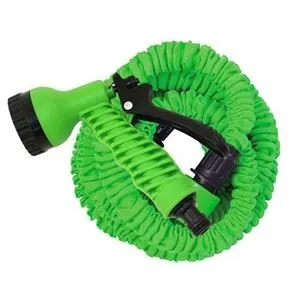
A garden hose is a flexible tube used to carry water from a tap to various locations in the garden. It's commonly made from materials like rubber or vinyl, comes in different lengths and diameters, and is often paired with nozzles for adjustable water flow. It is used for watering, cleaning, and filling tasks.
Soaker Hose
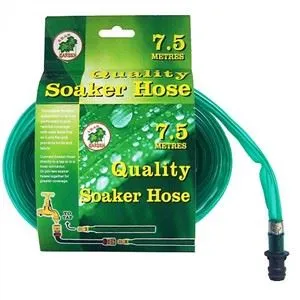
A soaker hose is designed to release water slowly through tiny holes along its length. It’s typically made from rubber or polyethylene and is ideal for watering plant roots evenly and efficiently. It reduces water wastage and is best for flowerbeds, vegetable gardens, or hedges.

Q & A

What's the difference between a soaker hose and a regular hose?
The main differences between a soaker hose and a regular hose are in their design, water delivery method, and intended use:
1. Water Delivery:
- Soaker Hose: Releases water slowly and evenly along its entire length through tiny pores, directly watering the soil around plant roots.
- Regular Hose: Delivers a concentrated stream of water from the nozzle, which can be adjusted for different spray patterns and pressures.
2. Purpose:
- Soaker Hose: Designed specifically for efficient, deep watering of garden beds, flowerbeds, and rows of plants. It reduces water wastage by targeting the soil, not the air.
- Regular Hose: Used for various tasks, such as general watering, cleaning, or filling pools. It provides a more direct, high-pressure water flow.
3. Efficiency:
- Soaker Hose: More water-efficient, as it allows water to seep into the ground slowly, reducing evaporation and runoff.
- Regular Hose: Can result in more water waste due to evaporation, especially when used with high water pressure.
4. Flexibility:
- Soaker Hose: Best when placed on the ground or buried under mulch, providing stationary irrigation.
- Regular Hose: More versatile, as it can be moved around to different areas and used for various outdoor tasks.
Do soaker hoses need to be buried?
Soaker hoses do not necessarily need to be buried, but they can be buried for more efficient water distribution and a cleaner appearance in some situations.
When placed on the soil surface, the water will drip directly onto the soil, which is useful for vegetable gardens or flower beds where the hose is visible and easy to adjust. However, burying the soaker hose can help minimize evaporation, prevent tangling or damage from sunlight, and ensure that water is delivered directly to the plant roots.
If you choose to bury the hose, it's recommended to place it a few inches below the soil surface or under mulch to help conserve moisture and prevent the hose from being exposed to sunlight. Just make sure not to bury it too deep, as the water flow might become restricted or uneven.


To connect a soaker hose to a garden hose, you’ll need a few basic components and follow these steps:
1. Materials:
- Soaker hose
- Garden hose
- Quick-connect fittings (optional, but recommended for easy connection and disconnection)
- Adapter (if needed, depending on the size of the hose connection)
2. Steps:
- Prepare the garden hose: Ensure your garden hose is in good condition and has a nozzle or end fitting that can connect to the soaker hose.
- Attach an adapter (if necessary): Some soaker hoses have a different diameter than standard garden hoses, so you may need an adapter to connect the two. This is common if your garden hose has a larger or smaller fitting than the soaker hose's connection.
- Install a hose connector: If your soaker hose does not have an attached connector, you can install a hose connector or a quick-connect fitting at the end of the garden hose. These fittings allow for an easy attachment and detachment of the hoses.
- Connect the hoses: Once the adapter or fitting is in place, connect the soaker hose to the garden hose. If using quick-connect fittings, simply snap the two fittings together. If you’re using standard connectors, screw the soaker hose’s connector into the garden hose’s end.
- Check the water flow: Turn on the water and check the connection to ensure there are no leaks. Also, test the soaker hose to make sure it’s distributing water evenly.
- Optional: Use a pressure regulator: If your water pressure is too high, it can damage the soaker hose. Some soaker hoses come with a built-in pressure regulator, but if yours doesn’t, you can attach a separate pressure regulator to the garden hose before connecting the soaker hose.
This simple setup should get your soaker hose working efficiently with your garden hose!
How long should you leave a soaker hose on?
The amount of time you should leave a soaker hose on depends on several factors, including the water pressure, soil type, and the plants you're watering. Generally, the goal is to allow the water to soak deeply into the soil without over-saturating it. Here's a general guideline:
- Watering Time:
- For Clay Soils: 30 to 45 minutes, as clay retains moisture well and doesn't need frequent watering.
- For Loamy Soils: 20 to 30 minutes, as loamy soil drains well and doesn't retain too much water.
- For Sandy Soils: 45 minutes to 1 hour, as sandy soil drains quickly and requires more time to ensure deep watering.
2. Watering Frequency:
- Deep Watering: A soaker hose is designed to provide slow, deep watering, so you typically only need to water once or twice a week, depending on the weather and soil moisture.
- In Hot or Dry Conditions: If the weather is very hot or dry, you may need to water more frequently, but the time spent watering will generally remain the same.
- Check the Soil Moisture: To determine how long to leave the hose on, check the soil after watering. Stick your finger about 2 to 4 inches into the soil. If it feels moist, you're done. If it's still dry, give it more time.
- Adjust Based on Pressure: If the water pressure is high, the soaker hose may release water more quickly, and you might need to reduce the watering time. Conversely, with low water pressure, you may need to leave the hose on for longer.
In general, aim to water deeply and slowly to encourage strong root growth, and always check the moisture level to avoid overwatering.

We're well-known as one of the leading garden hose & soaker hose manufacturers and suppliers in China. Please rest assured to wholesale customized garden hose & soaker hose made in China here from our factory. Quality products and low price are available.