


Our shovels and rakes are designed to make your gardening experience easier and more efficient. Crafted from premium materials, they offer exceptional durability, rust resistance, and ergonomic comfort. Whether you’re digging, planting, leveling soil, or clearing debris, these tools provide the perfect balance of strength and precision. Suitable for both beginner gardeners and seasoned professionals, our shovels and rakes are built to handle all kinds of outdoor tasks, ensuring your garden always looks its best.
Durable Gardening Tools
Your Gardening Companion


1. Gardening
- Soil Preparation and Aeration:
Shovels are used for digging, loosening, and aerating garden soil to promote healthy root growth. Rakes help level the soil surface, creating an ideal planting environment.
- Clearing Debris:
Rakes are ideal for removing leaves, weeds, and other debris, keeping gardens tidy.
- Digging Planting Holes:
Shovels are essential for digging holes to plant flowers, shrubs, and trees.
2. Agriculture
- Fertilizing and Mixing:
Shovels are used for spreading and mixing compost or fertilizer into the soil, while rakes ensure even distribution.
- Harvesting Root Crops:
Shovels are handy for digging up root crops like potatoes, carrots, or sweet potatoes.
3. Environmental Cleanup
- Leaf Removal and Lawn Maintenance:
Rakes are indispensable during autumn for gathering fallen leaves and maintaining a clean lawn.
- Waste Cleanup:
Shovels are helpful for clearing construction debris, yard waste, or other rubbish.
5. Snow Removal
- Clearing Snow:
Shovels are commonly used for removing snow from sidewalks, driveways, and other outdoor spaces.
6. Household Use
- Pet and Yard Maintenance:
Shovels are used for cleaning up pet waste or reorganizing backyard layouts.
- Small DIY Projects:
Shovels and rakes are useful for laying garden pavers or starting a home vegetable garden.
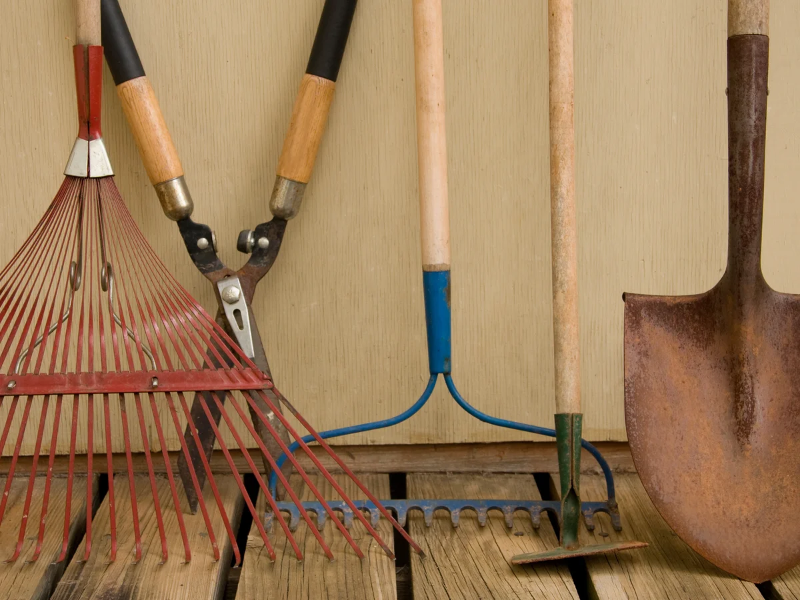
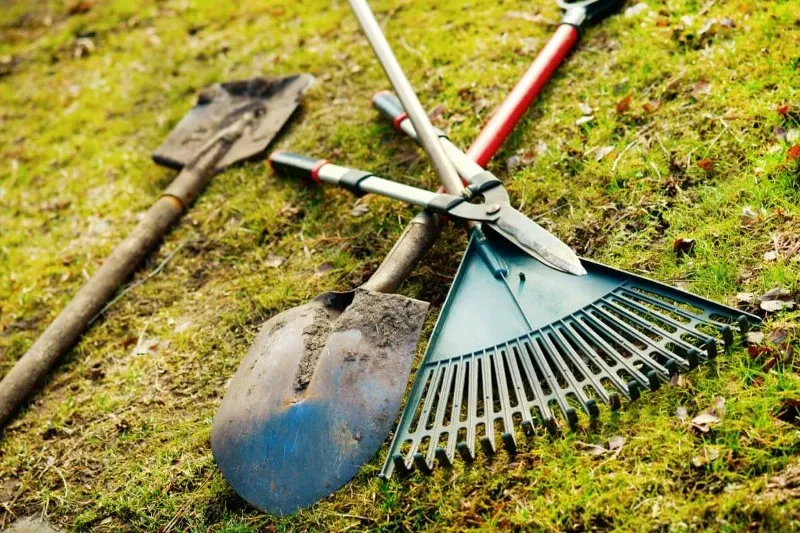
usage guidelines for shovles and rakes
1. Safe and Effective Usage
- Use flat-head shovels for leveling and pointed shovels for digging. Leaf rakes work well for clearing debris, while garden rakes are better for soil preparation.
- Proper Grip:
Hold the tool with both hands, keeping your back straight to avoid strain during extended use.
- Optimal Technique:
For shovels, use your legs rather than your back when lifting heavy loads. For rakes, use smooth strokes to avoid damaging the tool or overworking yourself.
2. Specific Use Cases
- Digging:
Soak hard soil before digging to reduce strain on the shovel.
- Raking:
Avoid overloading the rake with debris to prevent damage to the tines.
3. Safety Precautions
- Wear Protective Gear:
Use gloves to prevent blisters and sturdy shoes to protect your feet from accidental impacts.
- Mind Your Surroundings:
Keep tools away from children and use them in a clear, hazard-free workspace.
1. Cleaning After Use
- Remove Dirt and Debris:
Rinse shovels and rakes with water to remove soil, mud, or plant matter. Use a stiff brush for stubborn dirt.
- Dry Thoroughly:
After cleaning, dry the tools completely to prevent rust formation.
2. Preventing Rust and Corrosion
- Apply Protective Coatings:
Rub metal parts with light oil or WD-40 to protect against rust.
- Store in a Dry Place:
Keep tools in a shed or garage, away from moisture.
3. Sharpening and Repairs
- Sharpen Edges:
For shovels, use a file to sharpen the blade regularly for more efficient digging.
- Inspect for Damage:
Check for loose handles or bent tines. Tighten screws or bolts and replace damaged parts as needed.
4. Handle Care
- Wooden Handles:
Sand rough spots and apply linseed oil to prevent cracking or splintering.
- Fiberglass Handles:
Clean with soap and water and inspect for cracks, replacing if necessary.
5. Seasonal Storage
- Organized Storage:
Hang tools on a wall or store them upright in a rack to avoid bending or warping.
- Winter Preparation:
Before long-term storage, clean and oil all metal surfaces to ensure readiness for the next season.


Common Questions About Our Shovels and Rakes
1. What are the main types of shovels and their uses?
- Pointed Shovel: Ideal for digging, planting, and cutting through hard soil.
- Flat-Head Shovel: Best for scooping, leveling soil, and moving materials like gravel or sand.
- Trenching Shovel: Designed for digging narrow trenches for irrigation or cables.
- Square-Point Shovel: Useful for clearing soil or removing debris on flat surfaces.
2. What are the main types of rakes and their uses?
- Leaf Rake: Lightweight with flexible tines, perfect for clearing leaves and debris.
- Garden Rake: Heavy-duty with stiff tines, ideal for leveling soil and breaking up clumps.
- Landscape Rake: Used for smoothing gravel, sand, or soil in larger areas.
- Thatch Rake: Designed for removing moss and thatch from lawns.
3. How do I choose the right shovel or rake for my needs?
- Material:
Steel blades and tines are durable and suitable for heavy-duty tasks.
Aluminum is lightweight and rust-resistant, good for light work.
- Handle Type:
Wooden handles offer a natural grip but require maintenance.
Fiberglass handles are lightweight and durable, resistant to weather damage.
- Task-Specific Design:
Consider the blade shape (for shovels) or tine style (for rakes) based on the specific job.
4. How do I prevent rust on my shovels and rakes?
- Clean tools thoroughly after use to remove moisture and dirt.
- Apply a thin coat of oil or rust-preventive spray on metal parts.
- Store tools in a dry, ventilated area, preferably off the ground.
5. Can I sharpen a shovel? How often should I do it?
- Yes, you can sharpen the edge of a shovel using a metal file or grinder.
- Sharpen shovels at least once a season or when you notice decreased performance.
6. How do I fix a loose or broken handle?
- For wooden handles, replace the handle if it's cracked. Secure it with screws, bolts, or a metal ferrule.
- For fiberglass handles, replace the handle entirely if it's damaged, as it cannot be repaired like wood.
We're well-known as one of the leading shovels and rakes manufacturers and suppliers in China. Please rest assured to wholesale customized shovels and rakes made in China here from our factory. Quality products and low price are available.