




Is sugar water good for plants?


Plant Food
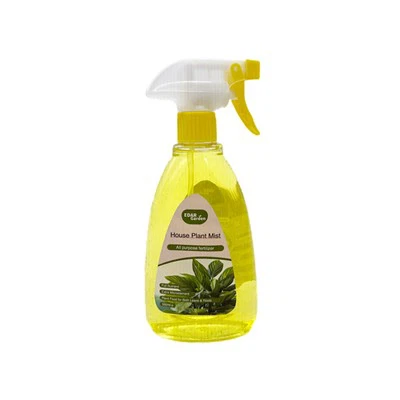
Plant food, also known as fertilizer, is essential for promoting healthy growth and maximizing yields in gardening and agriculture. This nutrient-rich substance provides plants with essential elements such as nitrogen, phosphorus, and potassium, vital for their development. Plant food can come in various forms, including organic and synthetic options, and may be applied to the soil or directly to plants through foliar feeding. By replenishing nutrients depleted from the soil and supporting overall plant health, plant food helps ensure robust growth, vibrant foliage, and bountiful harvests.
Advantages of Plant Food
Plant food is vital for sustaining healthy plant growth and maximizing crop yields. It replenishes essential nutrients in the soil, promoting robust root development, vibrant foliage, and bountiful blooms. By providing key elements like nitrogen, phosphorus, and potassium, plant food supports various physiological processes, including photosynthesis, flowering, and fruit production. Regular application of plant food ensures that plants have access to the nutrients they need for optimal growth and resilience against environmental stressors. Ultimately, the importance of plant food lies in its ability to nourish plants, enhance productivity, and contribute to sustainable agriculture.


What is the best thing to feed plants?
The best thing to feed plants depends on the type of plant and its specific needs.
For healthy plant growth, a balanced fertilizer with equal nitrogen (N), phosphorus (P), and potassium (K) is ideal, such as a 10-10-10 mix. Organic options like compost, fish emulsion, or well-aged manure provide slow-release nutrients. If you’re growing specific plants, use fertilizers tailored to their needs—e.g., more phosphorus for flowers or vegetables. Avoid over-fertilizing, as it can harm plants. Regularly check if plants need additional micronutrients like calcium or magnesium.
Sugar water is generally not good for most plants. While sugar is a source of energy, plants do not absorb it in the same way humans or animals do. Here’s why it’s not ideal:
- Root Damage: Sugar water can create an imbalance in the soil’s osmotic pressure, which can draw water out of the plant's roots, potentially causing dehydration and damage.
- Fungal Growth: Sugar in the soil can encourage harmful bacteria and fungi, leading to root rot or other diseases.
- Disruption of Nutrient Absorption: Plants rely on nutrients like nitrogen, phosphorus, and potassium from the soil, not sugar. Sugar water can interfere with the plant’s natural processes and nutrient uptake.
- When sugar water might be used: Some gardeners use a very diluted sugar solution in the case of cutting or grafting certain plants, to provide them with an immediate source of energy. But this is a rare exception and should not be used as a regular feeding method.


What does baking soda do to plants?
Positive Uses:
- Fungicide: Baking soda can help control fungal diseases like powdery mildew, black spot, or downy mildew. When mixed with water and applied to affected areas, it can act as a mild fungicide. A typical solution is 1 tablespoon of baking soda in 1 gallon of water, with a small amount of vegetable oil or soap to help it stick to plant leaves.
- Soil pH Adjustment: Baking soda can slightly raise the pH of acidic soils, making it less acidic. This can be useful if your soil is too acidic for certain plants, like some vegetables or flowers. However, it's not a strong enough base to drastically change soil pH over time.
- Deterring Pests: A mixture of baking soda and water may also help deter some pests, like ants or slugs, especially when sprayed directly on the affected areas.
Negative Uses:
- Salt Build-Up: Baking soda contains sodium, which can build up in the soil over time, potentially harming plants by inhibiting their ability to absorb water and nutrients.
- Leaf Damage: Using too much baking soda can lead to damage to plant leaves. It can cause a white, powdery residue to form, and excessive use might cause leaf burn or disrupt photosynthesis.
We're well-known as one of the leading plant food manufacturers and suppliers in China. Please rest assured to wholesale customized plant food made in China here from our factory. Quality products and low price are available.