


Kids garden products help children connect with nature, foster responsibility, and spark creativity. They promote learning about plants, improve focus, and encourage outdoor activity, all while raising environmental awareness.




1. Choose a Safe Area
Select a sunny, safe location where kids can easily access and explore.
2. Pick Fun Plants
Choose colorful, easy-to-grow plants like sunflowers, marigolds, or strawberries that will captivate children. These plants are not only beautiful but also teach kids how to care for nature.
3. Make It Interactive
Add simple elements like a bird feeder or sensory plants (like herbs and touchable plants) to engage kids. These interactive elements can keep children entertained and learning.
4. Use Kid-Friendly Gardening Tools
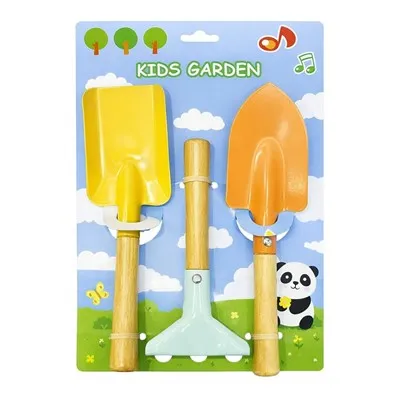
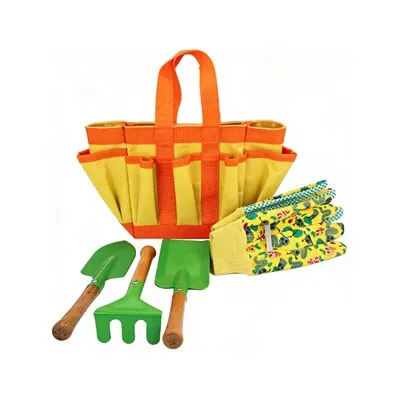
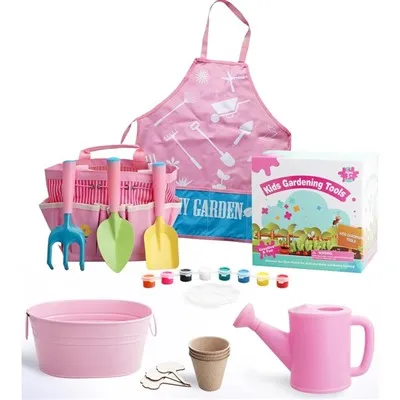
Provide small, easy-to-handle tools like tiny shovels and watering cans. Let kids take charge of watering and planting, giving them a sense of responsibility. Shop our specially designed gardening tools for kids (click to view).
5. Add Fun Decorations
Decorate the garden with colorful garden gnomes, wind chimes, or fairy lights. These fun elements will make the garden more inviting for children.
6. Choose Low-Maintenance Plants
Opt for hardy, easy-to-care-for plants that don't need constant attention. This way, your kids can enjoy the garden without too much upkeep.


What is the easiest plant to grow for kids?
The easiest plants to grow for kids are typically those that are hardy, fast-growing, and visually rewarding. Here are a few great options:
1. Sunflowers- Why: Sunflowers are tall, bright, and quick to grow. Kids can see the results in a short amount of time, and the flowers are large and vibrant.
- Growing Tips: Plant seeds in a sunny spot, water regularly, and watch them grow tall. They also make great cut flowers for kids to bring indoors.
- Why: Radishes grow very quickly (usually in about 3-4 weeks), which keeps kids engaged and excited.
- Growing Tips: Plant seeds directly in the soil, keep the soil moist, and harvest when the roots are about 1 inch in diameter.
- Why: Cress is one of the easiest plants to grow indoors or outdoors. It grows fast and doesn't need much space.
- Growing Tips: Sprinkle the seeds on damp soil or a wet paper towel, keep them moist, and watch them sprout in just a few days.
- Why: Beans grow quickly and have the added fun of climbing or spreading, making them an interactive plant for kids.
- Growing Tips: Plant seeds in well-drained soil, water regularly, and support climbing beans with a trellis or stick.
- Why: Marigolds are colorful, easy to grow from seeds, and attract pollinators like bees and butterflies, which adds an educational element.
- Growing Tips: Start seeds indoors or sow them directly in the garden, water regularly, and enjoy their bright blooms.
- Why: Zinnias are colorful, low-maintenance flowers that are easy to grow from seeds. They bloom quickly and are great for kids who want to see quick results.
- Growing Tips: Plant seeds in well-drained soil with plenty of sun and water regularly.
- Why: Lettuce is a fast-growing, edible plant that can be harvested in about 4-6 weeks.
- Growing Tips: Sow seeds in the garden or in containers, and keep the soil moist. Lettuce grows best in cooler weather.
- Use Kid-Sized Tools
Provide small, easy-to-handle gardening tools. Let kids feel independent and enjoy the process!
- Plant Fast-Growing Seeds
Choose quick-growing plants like sunflowers or radishes so kids can see the results fast and stay excited.
- Create a Themed Garden
Make gardening fun by creating themes, like a fairy garden or bug-friendly garden. It sparks their imagination.
- Add Sensory Plants
Include plants with different textures, smells, and colors, like lavender or mint, for a fun sensory experience.
- Grow Edible Plants
Kids love growing things they can eat. Plant vegetables like tomatoes, strawberries, or herbs for them to harvest and enjoy.
- Incorporate Games
Turn gardening into a game, like a planting race or treasure hunt, to keep kids engaged.
- Make Crafts
Let kids make garden markers, paint pots, or create nature-inspired crafts. It combines gardening with creativity!


How can I teach my kids about plants and nature through gardening?
Teaching kids about plants and nature through gardening can be both fun and educational. Here are some simple and effective ways to do it:
1. Start with Seeds
Let kids plant seeds in small pots or directly in the garden. Talk to them about what seeds need to grow, like water, sunlight, and soil.
2. Track Growth Progress
Encourage kids to track their plants’ growth in a garden journal. They can draw pictures or write notes about how tall the plants are and what changes they see each week.
3. Teach Them About Photosynthesis
Explain how plants use sunlight to make their food. You can even perform simple experiments, like covering a leaf to show how it needs light to stay healthy.
4. Incorporate Nature Play
Let kids explore the garden freely—touching leaves, smelling flowers, and observing insects. Set up small nature activities like collecting leaves or rocks, which can be part of a larger lesson about the environment.
5. Discuss the Importance of Pollinators
Teach kids about the role of pollinators and how plants need them to reproduce. Add some plants that attract pollinators, like lavender or sunflowers, and watch them together.
6. Create a Wildlife-Friendly Garden
Set up bird feeders, a butterfly house, or a small pond. Let kids observe how animals interact with plants.
7. Teach Responsibility
Assign kids daily tasks, such as watering plants or pulling weeds. Let them be responsible for their own little section of the garden.
8. Discuss Sustainability
Teach them about composting, water conservation, and how to make the garden eco-friendly. For example, show how using organic mulch can help retain water and reduce the need for chemical fertilizers.
We're well-known as one of the leading essentials core range manufacturers and suppliers in China. Please rest assured to wholesale customized essentials core range made in China here from our factory. Quality products and low price are available.