Eco-Friendly Bird Control Methods for Organic Gardens
Leave a message
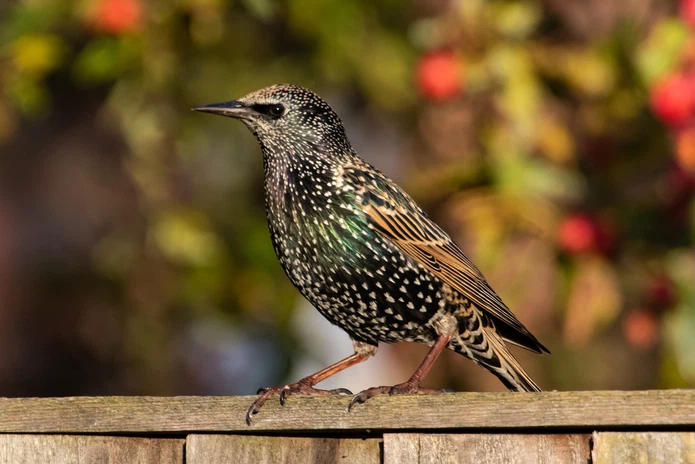
Negative Impact of Birds and Other Animals in Gardening
In an organic garden, birds and small animals often play a double role. On one hand, they help control harmful insects and maintain ecological balance. On the other hand, they can damage seedlings, eat ripening fruits, and reduce overall yield. Especially during harvest season, berries, tomatoes, and tender greens become easy targets for hungry birds. For gardeners committed to organic practices-without chemicals or pesticides-finding safe and non-toxic ways to manage birds is essential.
Harmless and Eco-Friendly Bird Control Methods
1. Physical Exclusion
One of the most reliable and environmentally friendly methods is to physically block access.
- Bird Netting: Cover fruit trees or vegetable beds with fine mesh netting to keep birds away while still allowing sunlight, air, and rain to pass through.
- Protective Cages and Row Covers: Build lightweight frames with mesh or fabric to protect specific crops, such as young tomato seedlings, leafy greens like lettuce and spinach, or ripening strawberries.
2. Visual Bird Deterrents
Birds are naturally cautious of light, movement, and unfamiliar objects. Gardeners can use this to their advantage.
- Reflective Objects: Hang old CDs, aluminum foil strips, or reflective bird tape to create flashing lights that scare birds.
- Predator Decoys: Place realisticmodels of owls, hawks, cats or crows to mimic natural predators. Remember to move them regularly, or birds may adapt.
3. Bird Feeding Zones
Instead of trying to exclude birds completely, you can redirect them.
- Dedicated Feeding Stations: Provide bird feeders at the edges of your garden or in less critical areas. This satisfies their food needs while reducing crop damage.
- Companion Planting: Plant extra sunflowers, millet, or berry bushes away from your main crops to attract birds elsewhere.
Conclusion
Controlling birds in organic gardens is not about eliminating them-it is about balance. By combining physical exclusion, visual deterrents, and dedicated feeding areas, gardeners can protect crops without harming wildlife. This approach supports higher yields, maintains ecological harmony, and reflects the true spirit of organic gardening.