How to Get Rid of Mice & Rats
Leave a message
1. Introduction
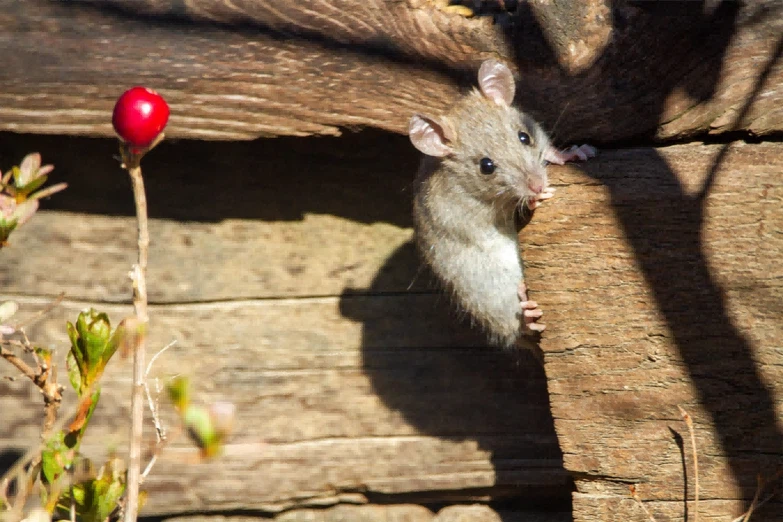
In our daily gardening, we often encounter uninvited visitors to our gardens or farms. They are the familiar and deeply disturbing rats. They eat crops, damage soil, and destroy tools, and can carry and transmit diseases. This undoubtedly poses a significant challenge to our gardening environment. This article aims to provide practical and effective methods for repelling rats and preventative measures to help you create a healthier and more pleasant gardening environment.
2. Signs of a Mouse or Rat Infestation
Before taking measures to repel rats, we need to know if our gardening is infested with rats. We can identify common signs of rats infesting our farm or garden. For example, we might look for evidence of rat droppings and urine stains, bite marks on garden supplies, gnawed crops or plants, or frequent rustling noises. How can we distinguish between mouse and rat signs? Generally speaking, rat droppings are smaller than a grain of rice, while rat droppings are larger and longer.
3. Immediate Actions: How to Get Rid of Mice & Rats
·Traps
This is one of the most common and traditional methods of rodent control. There are three common types of traps:
·Snap traps: These traps use bait to lure mice into the trap, triggering a mechanism that captures them alive. These traps are commonly found in plastic and wooden varieties. ( Wooden Mousetrap)
·Live traps: These traps lure mice into a cage with bait, triggering a mechanism that closes the cage, capturing them alive. This is a more humane method of rodent control.
·Glue boards: These are placed in corners or along walls where mice often hang out. They can be used with or without bait. As mice pass by, their strong adhesive properties bind them, rendering them unable to struggle.
Tips: Before setting a mousetrap, leave a blank trap for a few days to get the mouse accustomed to the trap, which will increase the success rate. Mousetraps and sticky traps are more effective when placed in a corner.
·Rodenticides
Compared to traps, rodenticides are chemical rodent control methods. Their advantage is that they are fast-acting and generally kill mice. Their disadvantage is that they are highly toxic and can be harmful to people and pets. Be careful to keep children and pets out of reach of these devices to avoid accidental ingestion and poisoning.
·Electronic devices
Modern gardening also offers some new methods of rodent control, such as ultrasonic rodent repellents. It works by emitting ultrasonic waves of a specific frequency to stimulate the mouse's auditory system, disrupting its normal activities and thus repelling it. While its advantages are that it is non-toxic and harmless, its disadvantages are that ultrasonic waves are easily blocked by furniture and walls, resulting in a limited coverage area, so the effectiveness varies depending on the environment.
·Natural & Humane Methods
We can also use some liquids with pungent smells to repel mice, such as peppermint oil, vinegar or chili water. The method is very simple: soak a cotton ball in these liquids and then stuff it into the gaps where mice may enter and exit, which can achieve a certain repellent effect.
4. Prevent Future Infestations
·Seal Entry Points: Check your environment for holes, cracks, or drain openings, as these are often access points for rats. Seal any holes immediately.
·Eliminate Food Sources: Properly seal opened food, remove trash promptly, and tidy your yard to avoid the accumulation of weeds and debris. Keep your environment clean and tidy to minimize hiding places for rats.
5. Conclusion
Rats not only damage gardening but can also pose a threat to our health. Physical, chemical, and modern repellent methods can effectively reduce their damage. Remember: Identification, elimination, and prevention are the key steps to long-term rodent control.